Cómo cambiará el programa de energía solar en tejados de California en 2023
Lo que necesitas saber si estás pensando en pasarte a la energía solar
The California Public Utilities Commission (CPUC) issued a decision on December 15, 2022 that changed the way Net Energy Metering (NEM) works in California. Solar applications received after April 15, 2023, were enrolled in the new Net Billing Tariff (NBT), also called the Solar Billing Plan where customers are credited for electricity they export based on its value to the grid. Based on a press release from the CPUC, these changes were made to promote grid reliability, incentivize battery storage, and control electricity costs for all Californians.
¿Qué significa esto para los clientes actuales y futuros de energía solar?
Customer That Installed Solar Before April 2023
- The CPUC decision did not impact existing rooftop solar customers.
- You remain on your current NEM tariff for 20 years after your system was connected to the electric grid. Based on the current rules set by the CPUC decision, you will maintain your current compensation rates through those 20 years.
- In most cases, you can add battery storage without changing to the NBT. However, utility providers evaluate system modifications on a case-by-case basis. Factors such as increases in solar generating capacity, equipment configuration, and interconnection requirements can affect eligibility. Check with your installer and PG&E before making changes to an existing solar system. Always verify utility interconnection requirements before any additions.
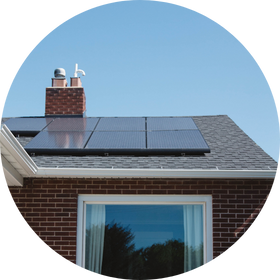
Customers That Installed Solar After April 2023
If you submitted an application to install rooftop solar to PG&E on or after April 15, 2023 (without receiving an extension), you are enrolled in the new Net Billing Tariff (NBT).
- La CPUC estima que el cliente residencial medio podría seguir ahorrando más de 100 dólares al mes en su factura energética gracias a la NBT.
- Además, la decisión de la CPUC ofrece créditos adicionales Electricidad a los clientes residenciales que adopten la energía solar o la energía solar combinada con almacenamiento en baterías en los próximos cinco años. Los clientes tienen garantizados estos créditos adicionales en las facturas durante nueve años. Según la CPUC, estos créditos en las facturas, combinados con el ahorro en las facturas de energía, permitirán a los clientes amortizar completamente los sistemas en nueve años o menos.
- Federal tax incentives remain available through December 31, 2027, for solar and battery systems offered through leases and power purchase agreements (PPAs). These incentives can help lower the cost of going solar for homeowners who choose a third-party-owned system.
- La CPUC espera que NBT incentive a más clientes a combinar sus sistemas solares con almacenamiento en baterías, de modo que puedan almacenar Electricidad solar Electricidad durante el día y exportarla por la noche, cuando la red la necesita más para garantizar su fiabilidad. Esto significa que añadir una batería podría ayudar a reducir los periodos de amortización para los nuevos clientes solares, ya que la energía exportada tiene más valor por la noche.
SVCE and Solar
Every April, SVCE pays residential and commercial NEM customers for surplus generation. SVCE will pay the net surplus compensation rate (NSC rate) per kilowatt-hour (kWh) set by PG&E for any net excess solar that is produced on an annual basis. The NSC rate is based on current market prices and varies each month based on PG&E’s analyses. You can find their NSC rates by month here. Income-qualified customers will receive additional compensation at a price 2.5 times the NSC rate per kilowatt-hour.
La energía solar puede alimentar tu hogar totalmente eléctrico.
If you are planning to go all-electric, install a heat pump heating and cooling system, heat pump water heater, or drive an electric vehicle (EV), solar could make sense for you. Syncing the electricity use of your most energy-intensive appliances and EV charging to when solar is producing during the day helps you make the most of the energy you generate, cuts emissions, and could help save on your power bill.
SVCE dispone actualmente de Reembolsos para sistemas de calefacción y refrigeración con bomba de calor y calentadores de agua con bomba de calor. Más información: svcleanenergy.Reembolsos.
La CPUC publicará más detalles sobre NBT esta primavera.